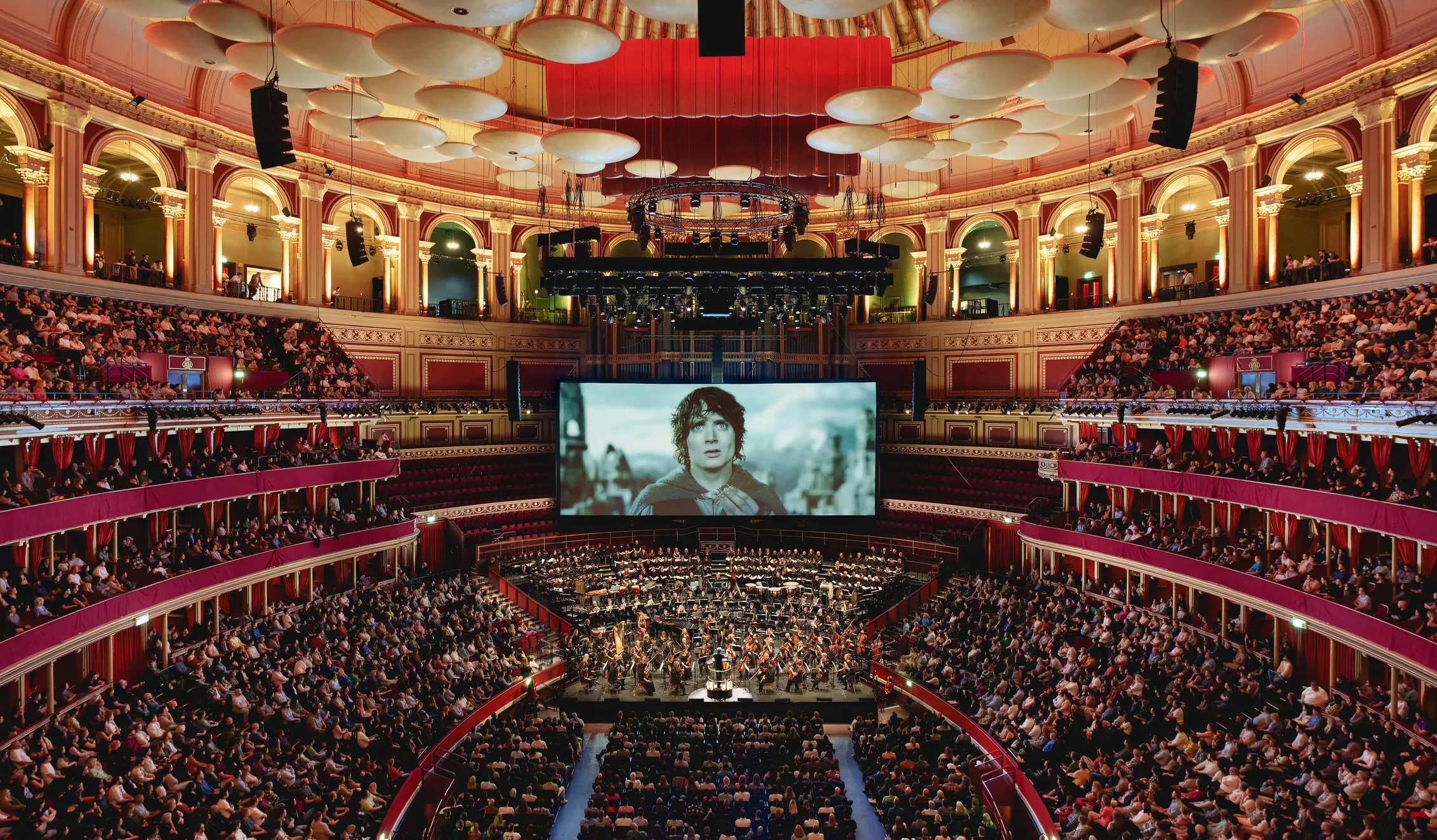
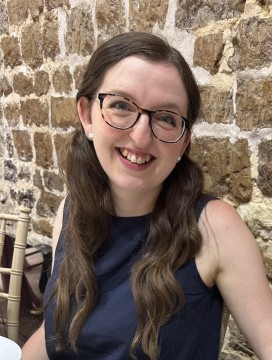
Later this month, the London Philharmonic Choir and Tiffin Boys Choir will be joining forces with our great friends, the London Philharmonic Orchestra, and conductor Ludwig Wicki, for an epic journey across Middle Earth. No fewer than nine screenings of the iconic Lord of the Rings trilogy are being staged at the Royal Albert Hall, accompanied by a live orchestra and choir. LPC soprano (and resident blog editor) Vicki Holdway shares with us her thoughts on the upcoming performances and why these concerts are special to her.
The Lord of the Rings, written by J. R. R. Tolkien and published in the 1950s, and later set to film by New Zealand director Peter Jackson in the early 2000s, is arguably one of the best known and best loved epic tales of recent years. A sequel to Tolkien’s earlier work for children, The Hobbit, the trilogy tells the story of the One Ring and one hobbit’s (plus a supporting cast of many other hobbits, wizards, men, elves and dwarves!) quest to rid the world of its evil power forever. In the twenty five years since the release of The Fellowship of the Ring, the first of Jackson’s adaptations, the films have been watched and loved by arguably millions of people around the globe.
 I was only about eight years old when the first film came out, but I remember being on holiday and a family friend showing my twin sister some of the film on their computer. I can’t quite remember which scene it was, but I think it involved orcs (Sauron’s legion of ugly, filthy minions) and needless to say nightmares were had that night! Thankfully, my sister’s first experience of The Lord of the Rings didn’t put her off and she became a die hard fan of the movies, going to see the second and third with our grandfather (I joined them for Return of the King) and eventually getting a tattoo of the Evenstar on her arm. I also have fond memories of being a student at university and at the end of my second year, one of my housemates decided that post-exams they would host a movie marathon of all three films (the extended editions of course) over the course of a couple of days. Our living room was transformed into a social hub with the comings and goings of many friends, and much pizza was consumed over those long days – the total length of all extended films comes to just under 12 hours, so it was quite a commitment for those who stayed the course!
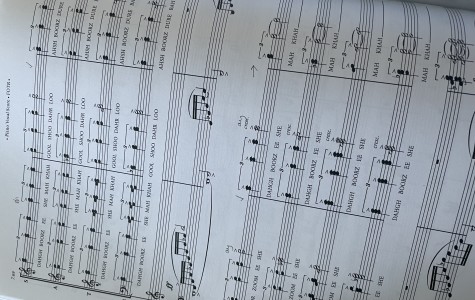 Of course, one of the best known parts of the films is its musical score. Composed by Canadian composer Howard Shore, his thematic writing has won over endless fans with the soundtracks often appearing in the top 50 of the Classic FM Hall of Fame each year. Each film is richly scored with themes for different characters, locations and events that reappear throughout the trilogy. One of the most well known movements, The Shire, appears early in The Fellowship of the Ring and serves as a callback to the idyllic, peaceful homeland of the hobbits several times throughout the course of the three films, often to great emotional effect. Alongside the themes, Shore uses several of the languages created by Tolkien including Quenya and Sindarin for the Elves, Adûnaic and Rohirric for Men, and Khuzdul for the Dwarves. These different languages along with the style of the music (our assistant chorus director Tori likes to differentiate between elf-speed (very slow) and orc-speed (very fast, and often in 5/4)) really allows the music to set the scene and immerse the viewer in Tolkien’s creation.
We are very lucky to be performing all three films, three times a piece, with the London Philharmonic Orchestra who did the original recordings for the soundtracks. We will also be under the helm of Ludwig Wicki, who conducted the world premiere of The Fellowship of the Ring at the KKL Luzern, the first live performance of the original score to the first film in the trilogy. Back in March 2022, the Choir took part in a “Movie Legends” concert showcasing the work of Howard Shore and Danny Elfman, and Wicki was our conductor then too. The concert featured the symphony version of The Fellowship of the Ring, and I have fond memories of a tutti rehearsal with the LPO and Wicki. According to our Choir librarian David, the score includes in the percussion section a part for “Distressed piano”. The notes for this player state:
For “Distressed Piano” wear a garden glove on one hand. Wrap the hand several times in a medium-gauge chain. Strike hand against lower strings of piano. The piano need not be in tune. The damper pedal shall be continuously depressed by use of a sandbag.
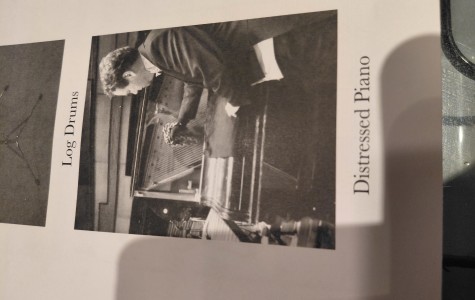
You can hear this effect in “The Caverns of Isengard” on The Fellowship of the Ring soundtrack and it reappears several times throughout the course of the trilogy when orcs are about. At the aforementioned tutti rehearsal with Wicki, while rehearsing one of these “orc-speed” sections, Ludwig stopped the playing and uttered words I will always remember: “Needs more chains”. And you know what, he was right – it did need more chains!
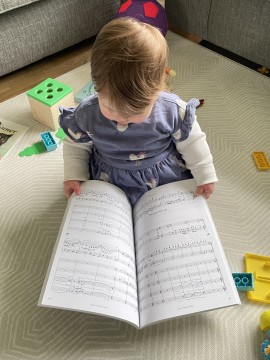 I am super excited to be given the chance to sing this wonderful music again, and it’s especially special for me as these will be my first concerts back after being on “maternity leave” from choir. My little girl is now fifteen months old, so I finally feel able to get back to rehearsals and into singing. It was a poignant moment when, at my first rehearsal back, we were rehearsing the music for The Fellowship of the Ring and we ended the rehearsal with the closing track from the credits: “May It Be”, sung by Enya. This was the first bedtime I’d been away from my daughter, so it was a sweet moment when I realised that this song has been on my daughter’s bedtime playlist since she was tiny, and here I was getting to almost sing it to her, even if she was many miles away.
If you’ve managed to secure a ticket for one of the concerts, or lucky enough to be seeing all three films, we hope you enjoy your journey through Middle Earth and maybe consider joining us for another concert in the future!